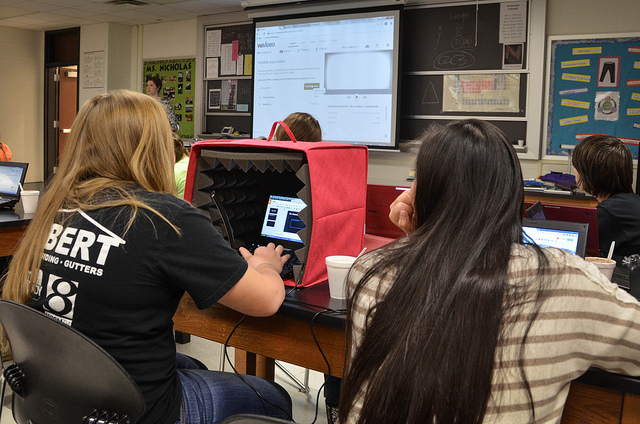
Digital revolution in the classroom—What protections are there for student privacy?
Two congressmen are proposing a bill to place limits on how education technology companies can use information about students.
Articles focusing on education law and policy.
Two congressmen are proposing a bill to place limits on how education technology companies can use information about students.

High achieving students who meet certain other requirements will soon have the option to apply to law school without taking the Law School Admission Test.

School administrators are considering the use of anti-bias training and body-worn cameras to prevent racial profiling by campus police officers.
College and university officials are struggling to simultaneously support protestors and law enforcement.

Colleges struggle to strike a balance between respecting students’ rights and helping campus police departments do their job.

Opponents of the Hofmann Forest sale plan to continue their lawsuit, despite a new sale agreement with friendlier terms.

Both opponents and supporters of the sale of Hofmann Forest hope that the North Carolina Court of Appeals will issue a decision before the end of the month.

After almost eighty years of use as a research and teaching tool, North Carolina State University’s 80,000-acre Hofmann Forest is on the market.

Judge Robert Hobgood has ruled North Carolina’s Opportunity Scholarship Program unconstitutional.
The bill currently sitting on Governor Jerry Brown’s desk would require state universities seeking to obtain financial aid funds to have an “affirmative consent” standard for sexual assault.

A major software glitch could reward bar examinees who filed lawsuits.

Women’s colleges must look beyond cisgender female applicants to keep them afloat.
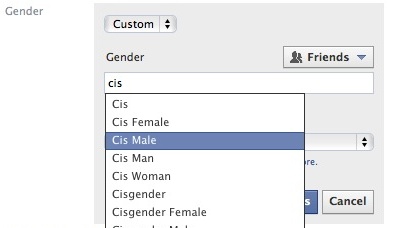
Women’s colleges face tough choices about whether to accept and retain transgendered students.

Mary Willingham’s research showing serious academic deficiencies among the university’s student-athletes has resulted in a bitter fallout between herself and her former employer.
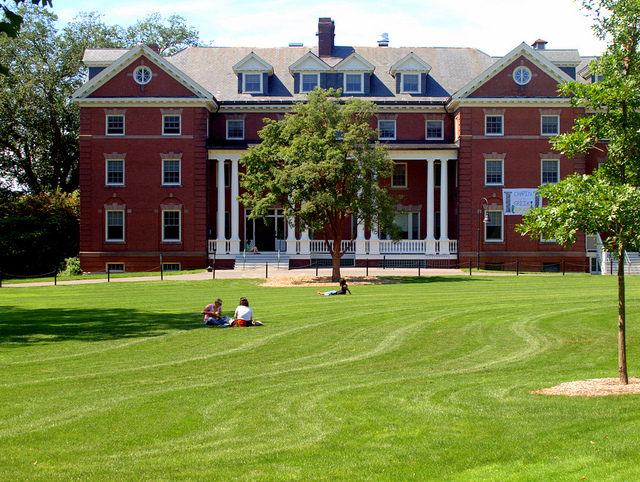
Now that more than fifty percent of undergraduate students are women, what is the purpose of female-only higher education?