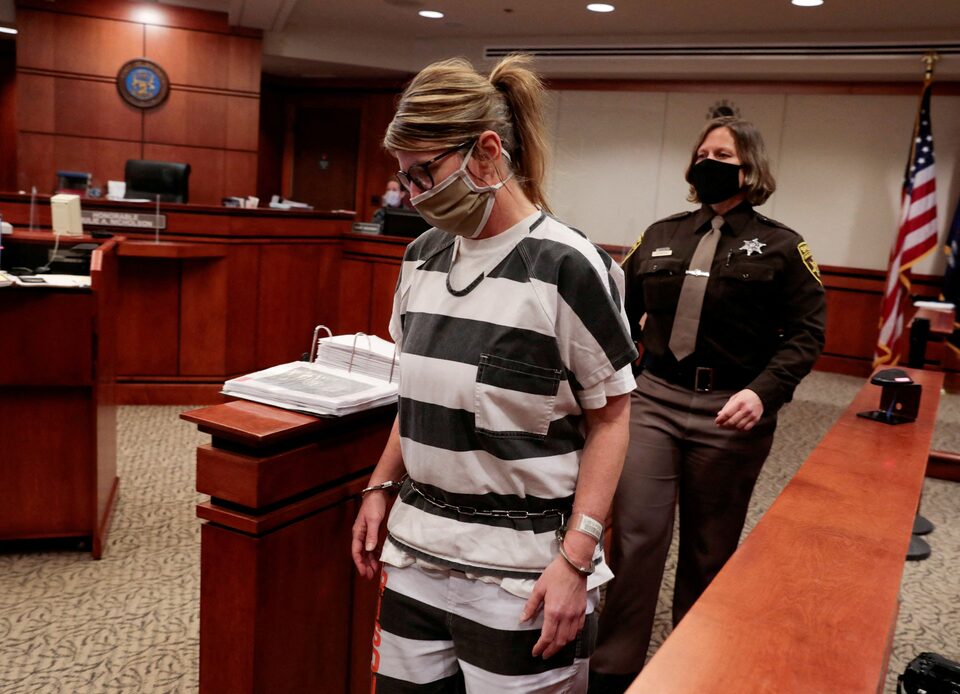
Redefining Parental Responsibility: The Jennifer Crumbley Verdict and Its Implications for Mass Shooting Cases
For the first time, a parent has been charged with manslaughter after her child committed a school shooting.
For the first time, a parent has been charged with manslaughter after her child committed a school shooting.
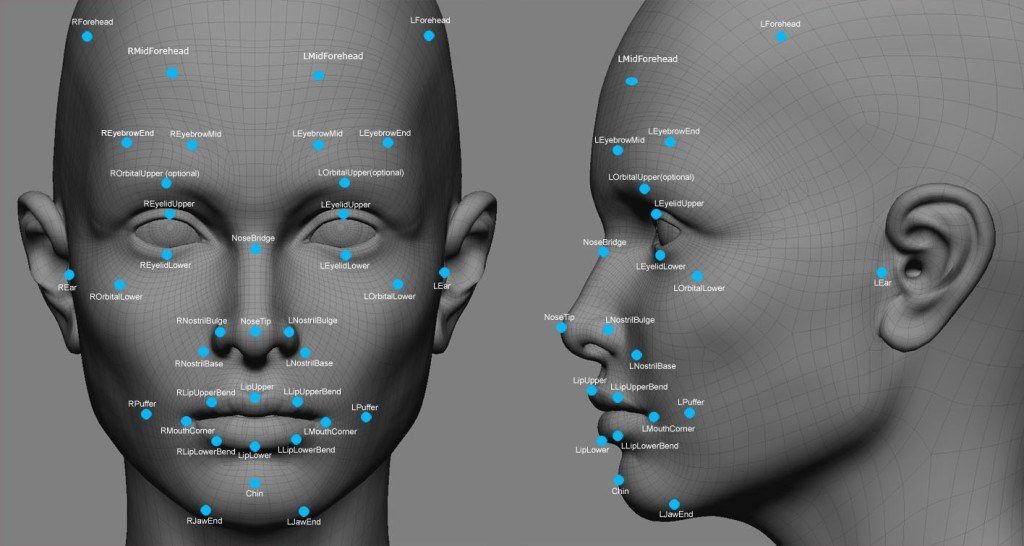
As technological advances push facial recognition technology into everyday life, the law strains to protect consumer privacy interests.
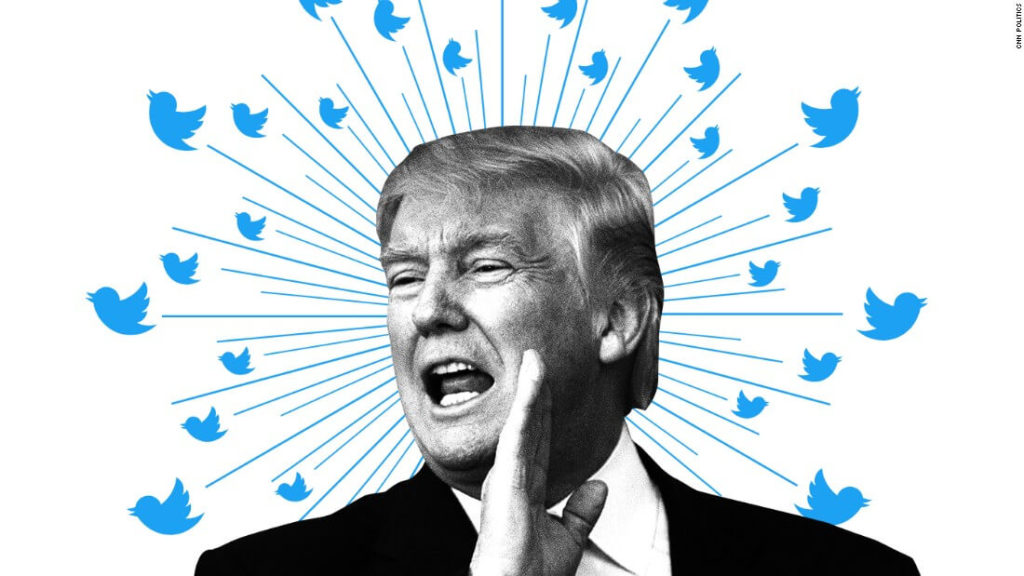
A recent lawsuit filed by a First Amendment advocacy group and numerous individuals has raised eyebrows regarding the President’s personal twitter account and the First Amendment right to free speech.

The case of a North Carolina man convicted of using commercial social networking sites while appearing on the state sex offender registry, reaches the Supreme Court of the United States.

What’s up with WhatsApp’s privacy Policies?

In the midst of forever advancing technology, can applications such as Snapchat be held liable for wrecks caused as a result of distracted drivers’ usage?
With an Apex woman being the first to be charged under North Carolina’s new revenge porn law, what are the implications for future prosecutions under the law?

Two employees who were fired by the City of Charlotte for Facebook posts may have First Amendment claims.

Social media has created new opportunities for libel, harassment, and even serious crimes.

Doxing is the practice of compiling someone’s information from the internet and releasing it to cause harm. In most cases, it is (almost) perfectly legal.

The online review company Yelp has recently faced a number of court cases over unfair business practices.

An Oregon woman diagnosed with terminal cancer has chosen to end her life by taking doctor-prescribed life-ending drugs, reigniting the debate on the legality and ethics of physician-assisted death.
In a guest post, the Brocker Law Firm explores the ethics of social media as an e-discovery tool.

What happens to your online life after you die?
The North Carolina Ethics Committee proposed an opinion suggesting that lawyers may advise their clients to remove social media posts if doing so does not constitute spoliation or is otherwise illegal.