Navigating the Future of Workplace Diversity: The Legal Landscape of New DEI Policies Under the Trump Administration
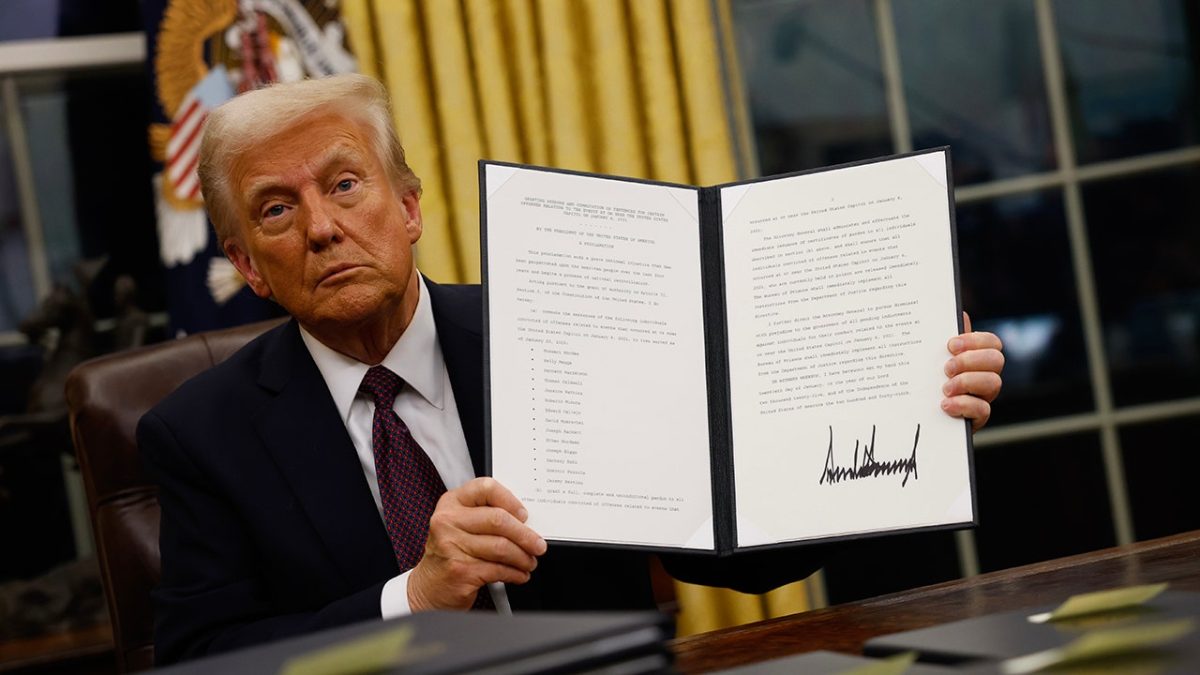
Employment law is facing significant changes in the upcoming months. Shortly after his inauguration in January 2025, President Trump signed an Executive Order titled, “Ending Illegal Discrimination and Restoring Merit-Based Opportunity,” which can significantly reshape Diversity, Equity, and Inclusion (DEI) policies in employment law. The order prohibits federal departments from issuing contracts to private organizations that enforce DEI frameworks, effectively preventing affirmative action in federal contract jobs. It also revokes provisions of an executive order from Lyndon B. Johnson, which mandated affirmative action programs to promote equal employment opportunities. Thus, it is not a matter of “if” there will be impacts in the employment law world because of this order, it is now a matter of “how” and “when.”
The Evolution of DEI Policies
DEI initiatives have long been used to promote workplace inclusivity, but the Trump administration’s new policies have altered the employment law compliance landscape. Employers now face a dynamic legal environment where federal directives restrict race-conscious hiring practices, especially in companies that accept federal funding. Many of these companies have used DEI policies in hiring, promotions, compensation, training, and workplace culture.
Trump’s Executive Order
Trump’s Executive Order 14173 has three key provisions: revoking Executive Order 11246, the prohibition of DEI initiatives, and a transition period. The revocation of Executive Order 11246 rescinds the 1965 mandate that required federal contractors to implement affirmative action programs and prohibited employment discrimination based on race, color, religion, sex, sexual orientation, gender identity, or national origin. Additionally, federal contractors are now barred from enforcing DEI frameworks in employment practices, all of which had a 90-day transition period to be in compliance, which ended on April 21, 2025. Thus, federal contractors have faced significant changes, with little time to adjust to these policies, and many pivoted drastically to comply with the new regulations.
Hiring Practices in Federal Funded Companies
Hiring practices in federally funded companies appear to be one significant area facing a large chance of change. Ultimately, the Order emphasizes merit-based employment decisions requiring companies to reassess and align their hiring practices with the updated federal guidelines. The executive order explicitly states, “federal contractors are no longer required to implement diversity-focused hiring or promotion initiatives, signaling a shift toward strictly race-neutral and merit-based hiring practices.
There are several ways for companies to mitigate the risks of violating Trump’s executive order. Many of these include identifying statements or policies that could be problematic including reviewing hiring programs, evaluating whether current DEI contain any clear preferences that could be considered discriminatory, adjusting DEI hiring and promotion strategies, shifting to initiatives that emphasize broader inclusion, monitoring upcoming reports and policy recommendations, tracking new litigation or regulatory actions arising out of the new framework, and consulting legal experts to ensure policies comply with the mandates.
Many firms in the employment law world have begun outlining and giving advisories on these significant changes through their websites, allowing potential clients to understand the effects and importance of taking steps to comply with the new order. These firms have quick reads on their website discussing several government contract updates on DEI impacts in reference to government contractors and fund recipients. Firms are highlighting the implications for affirmative action in hiring such as legal challenges in balancing the executive order with remaining intact with Equal Employment Opportunity and Affirmative Action requirements in the workplace. Additionally, firms give advice on ways for affected entities to start preparing for the changes associated with the order.
One large department that receives federal funding and risks being significantly affected by this change is the Education Department. The Education Department gave an ultimatum to have employees and employers stop using “racial preferences” as a factor in hiring and other areas. Schools were given fourteen days to end practices that treated workers or students differently based on race. Failure to comply may result in the loss of federal funding, which could impact teacher support and intervention in primary and secondary education, as well as research grants at the collegiate level, among other things. It appears most of these federal funded organizations are left worried about compliance because of the loss of federal funding.
Changes Also Occurring in Major U.S. Companies
The executive order has also impacted hiring practices at large companies, including Google, who has already started “scrapping some of its diversity hiring targets”, which only joins a growing list of companies that have either abandoned or scaled back their DEI programs. This order was aimed in part at pressuring government contractors to scrap their DEI initiatives; however, other businesses such as Google, which sells some of its technology and services to the federal government, have also begun making changes in their DEI programs. Thus, in response to the executive order, Google has removed a quote that was in other previous annual reports saying that the company is “committed to making diversity, equity, and inclusion in part of everything we do and to growing a workforce that is representative of the users we serve.”
Nevertheless, Google is not the only company to move away from their DEI programs: Paramount, John Deere, Lowe’s, McDonald’s, Walmart, Amazon, and many others have been cutting their DEI programs. Places such as Citigroup, Pepsi, Paramount, and Target have already made changes that affect hiring practices as a result of the executive order. For example, Paramount has started removing language from its website and will no longer use diversity targets in hiring. According to Bloomberg reports, many of these companies, such as Bank of America and Citigroup, have changed the word “Diversity” to “Talent.” Thus, it is evident many large companies have already responded to the executive order and placed changes into effect regarding their previous DEI hiring practices. They are making explicit changes in language coupled with efforts to pull away from previous hiring targets.
On the contrary, other companies have made further commitments to their DEI policies. Some of these companies include Costco and Apple, which have refused to back down from their current DEI polices. For example, 98% of Costco’s shareholders have voted strongly against proposals that move away from DEI policies. Similarly, Apple encouraged shareholders to reject any proposals that would move away from DEI. Lastly, even Coca-Cola is among many who that have spoken up about how abandoning DEI initiatives could harm business, and that ultimately diversity “helps drive a culture of inclusion, innovation, and growth.” Different companies have already responded to the executive order in stark contrast.
The Path Forward
Despite legal uncertainties rising while companies receiving federal funding adapt to new policies to ensure they are not in violation with Trump’s Executive Order 14173, DEI may remain a focal point of employment law and in the legal landscape of companies. The challenge for employers is to balance compliance with federal mandates while maintaining some of their previous diversity initiatives that foster inclusivity. Legal professionals and policymakers will most likely play a crucial role in shaping the next phase of DEI policies in order to ensure that corporate strategies, especially in hiring practices, align with the evolving legal landscape regarding workplace policies.
Throughout the legal world, understanding the complexities of DEI in employment law is more important than ever. Whether advocating for employee rights or advising corporate clients, staying informed on these issues will be essential in navigating the shifting landscape of workplace diversity under the current administration and those to come.