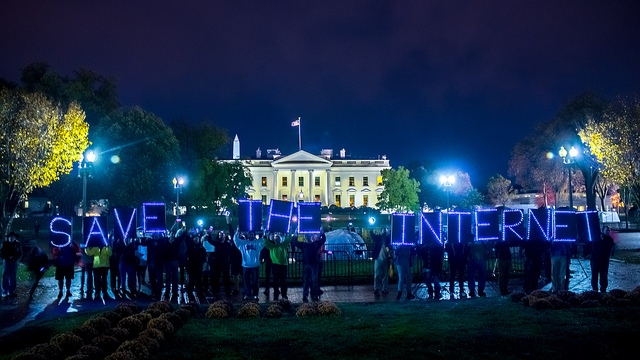
Broadband Discrimination, by any other name, would smell just as rotten
The FCC has its final open commission meeting of the year today—updated net neutrality rules will not be on the agenda as originally intended.

The FCC has its final open commission meeting of the year today—updated net neutrality rules will not be on the agenda as originally intended.

The CLO is still making its own path as an online-only law student publication.

FCC Commissioner Tom Wheeler has proposed a new set of rules to protect the free and open internet.

We outgrew our old digs—in a good way—and have transitioned to the post-Pinterest web.
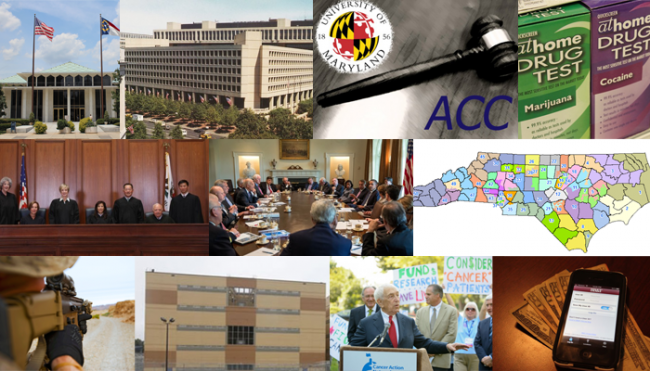
The following is a brief list of some of the most interesting and insightful articles published by the Campbell Law Observer over the past year. We hope you take a moment to read – hopefully not for the first time – these excellent articles by our staff.
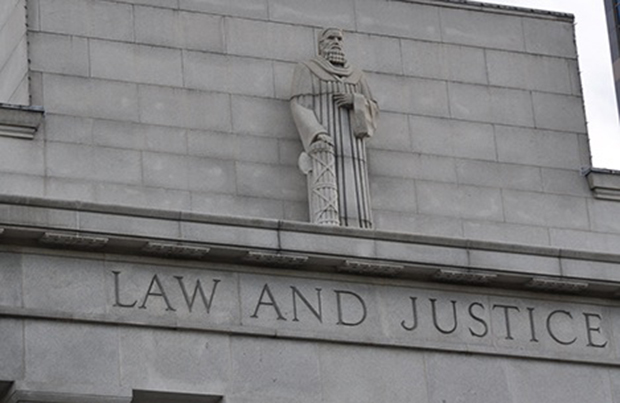
The “Leandro” line of cases was yet again before the North Carolina Supreme Court.
Bringing the Campbell Law Observer online in March 2012 was just the first step in bringing the only publication of its kind

A consumer advocacy group asks the FTC to investigate Fisher-Price’s marketing of apps as a way to teach babies as young as six months old.
Updated January 14, 2014: Today the U.S. Court of Appeals for the D.C. Circuit issued its opinion (pdf), striking down key
When vocal advocates are on the losing side of a judicial decision, a common reaction has been to demand an end to lifetime tenure. But this “solution” may cause more problems than it would solve.

Ronald Reagan famously decried an over-bearing government, saying that the “nine most terrifying words in the English language are: I’m

Note from the Editors: Recently, The Campbell Law Observer hosted a write-on competition to recruit new staff writers. Each student

Updated June 26, 2013: Last week, Rep. Lofgren introduced Aaron’s Law in the House (pdf), clarifying the language of the law to

A contestant from “Storage Wars” has filed suit against the show’s producers alleging the show is anything but nonfiction. The

United States Supreme Court Chief Justice John Roberts recently identified technology as one of the most difficult challenges for the