

Battle of the Bands: Legal Issues Artists and Bands Commonly Run Into
The dynamics between band members and musical artists have long been documented as fraught – what happens when this drama leads to the courtroom?

The dynamics between band members and musical artists have long been documented as fraught – what happens when this drama leads to the courtroom?
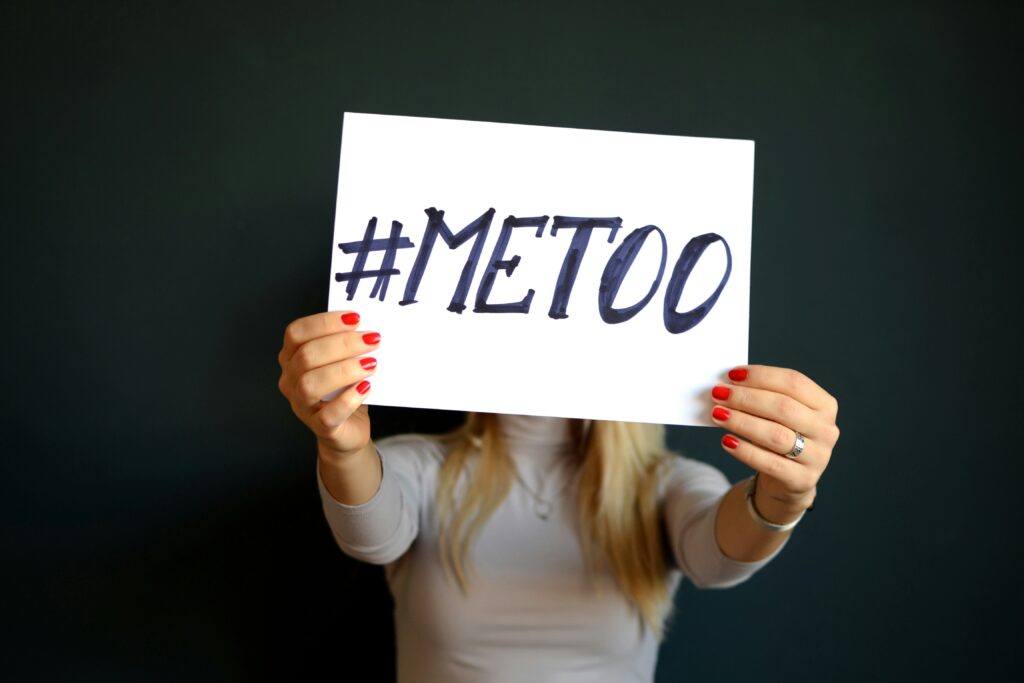
As evidenced by the cases mentioned above, defamation lawsuits wield a significant amount of power against victims. Although the First Amendment protects a wide variety of speech, including truthful statements from victims who choose to share their stories, these lawsuits are extremely effective. Facing a lawsuit, or even the mere threat of legal action can instill profound fear in victims.

The 21st Amendment was passed on December 5, 1933, ending the nationwide prohibition. North Carolinian drinkers rejoiced, although their celebrations were short-lived. The state stayed true to its temperance roots and continued to enforce its state-wide prohibition for several months.