
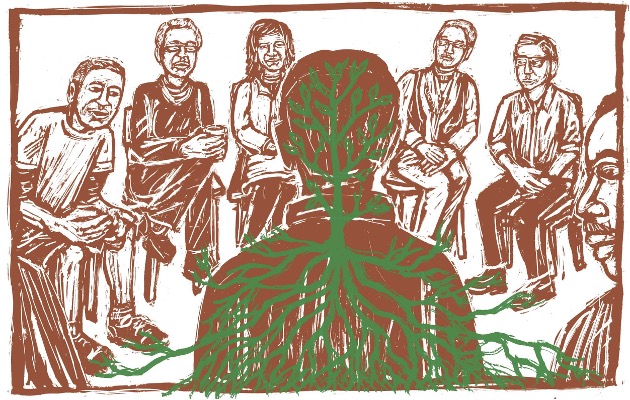
Rethinking the Adversarial Family: A Restorative Approach
Restorative approaches put relationships first, helping families resolve conflict and repair harm in ways the courtroom can’t.
Restorative approaches put relationships first, helping families resolve conflict and repair harm in ways the courtroom can’t.

“The longstanding impacts on legal aid could be as severe as reducing low-income families’ access to representation and necessary resources.”
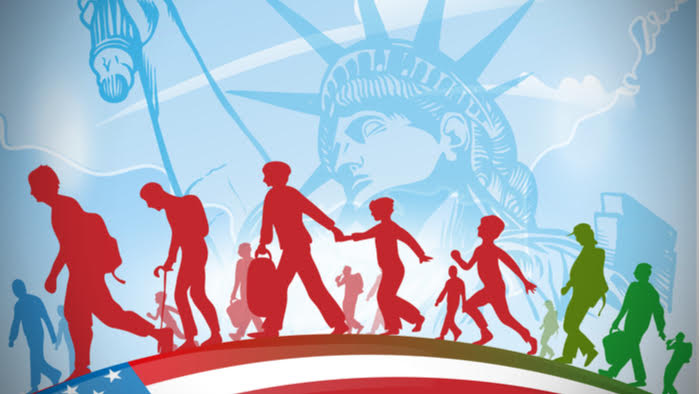
The United States immigration system is a quandary of forms, bureaucratic pitfalls, and redundant functions; yet, every year it successfully admits over a million legal immigrants. To function properly and efficiently, the policies that motivate bureaucratic behaviors must be commonsensical and adjusted competently and carefully under the guise of wisdom and restraint, as the credibility of the U.S. immigration policy—and its ability to balance openness with order—depends on it.

President Trump’s executive order challenging birthright citizenship is teed up for consideration by the U.S. Supreme Court, where the justices will likely determine whether it aligns with or contradicts the longstanding interpretation of the Fourteenth Amendment.

One of the most hotly politicized issues in the United States this year is whether the President has the authority

President Trump unexpectedly terminated an Obama-era program protecting young, undocumented immigrants from deportation. Now all eyes are on Congress to decide the fate of these “dreamers” in the next six months.

The Supreme Court of the United States issued a unanimous decision on May 17, 2017, in Esquivel-Quintana v. Sessions, in favor of a lawful Mexican immigrant on the premise that federal law was inappropriately applied in attempts to justify deportation.
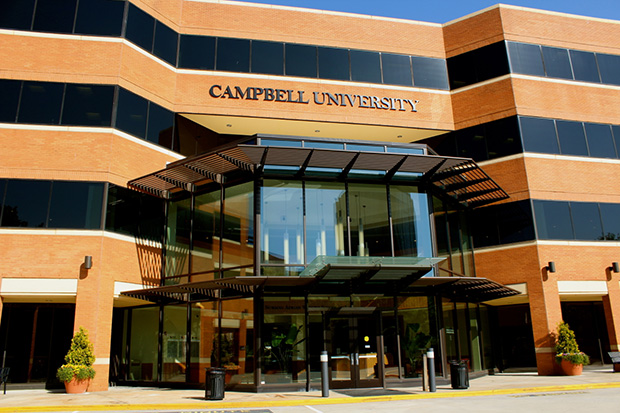
Ilya Shapiro of the Cato Institute gave a talk on current immigration issues at Campbell Law School on November 4, 2014.

What do eggs being thrown on houses, drag racing in Miami, DUIs, and being yelled at by Keyshawn Johnson all

A case before the Supreme Court of California will decide whether an undocumented immigrant can be granted a law license.