

North Carolina v. Hasson Bacote
North Carolina’s First Successful Racial Justice Act Claim in Years
North Carolina’s First Successful Racial Justice Act Claim in Years
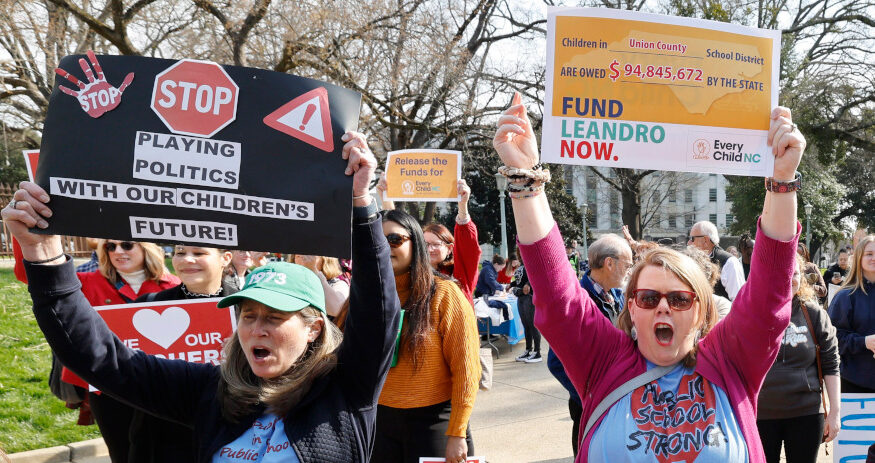
Three decades, five cases, and one unfinished fight for education equity in North Carolina.

President Trump’s executive order challenging birthright citizenship is teed up for consideration by the U.S. Supreme Court, where the justices will likely determine whether it aligns with or contradicts the longstanding interpretation of the Fourteenth Amendment.

Emotional elder abuse is a devastating yet often invisible form of mistreatment that strips older adults of their dignity, security, and mental well-being through manipulation, humiliation, isolation, and coercion—often at the hands of those they trust the most.
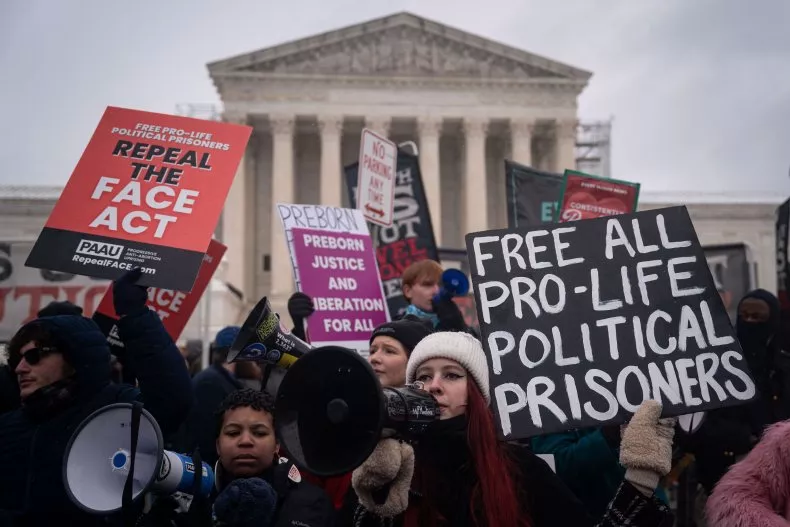
Since Dobbs, the number of pro-life activists being prosecuted for violations of the 18 U.S.C. § 248 Freedom of Access to Clinic Entrances (FACE) Act saw a marked uptick under the Biden Administration. After a wave of pardons by President Trump, important legal questions remain unanswered as Congress seeks to overturn the FACE Act.

Despite suggestions that natural law theory is on the decline, recent press and political statements have suggested that the opposite is true: natural law theory is alive and well in American politics.

Aging is part of life, but with the right support, older adults can thrive with independence and dignity. The Older Americans Act (OAA) ensures seniors receive essential resources while fostering connections that strengthen communities.

Legislative change, especially on a state level, is often a result of active constituents who contact their legislators time and time again until either the funds or dedication sets bills in motion. Legislators will focus on pleasing their constituents to ensure favorable results in upcoming elections, so how will students who are unable to vote until they are 18 years old be able to influence the enactment of similar legislation protecting their rights?

The issue here is not that the government does not have money for the problems that we are facing within the borders of the United States, but rather that the United States government has chosen to use the money to aid our allies and influence global foreign policy.

An essential aspect of the State Bar’s grievance process is the transparency it provides for the public. Limiting public access to disciplinary actions against lawyers diminishes that transparency and may even be said to go against the purpose of the State Bar to protect the public and maintain the integrity of our profession. If a prospective client is trying to find an attorney, they should be able to see that attorney’s discipline record regardless of the severity of it.

A growing consensus among circuit courts may destroy the hopes of litigants, dismissing an age discrimination claim if there is not an age difference of ten or more years between the plaintiff and their replacement hire.

As evidenced by the cases mentioned above, defamation lawsuits wield a significant amount of power against victims. Although the First Amendment protects a wide variety of speech, including truthful statements from victims who choose to share their stories, these lawsuits are extremely effective. Facing a lawsuit, or even the mere threat of legal action can instill profound fear in victims.

. . . voting measures are opportunities for citizens of a state to propose a change in legislation or a state constitutional amendment. Ballot initiatives are commonly viewed as a pure form of democracy and may be utilized by those who feel underrepresented by their state or local politicians.

Without any change, local owners of veterinary practices entering retirement must either close down, find another veterinarian to buy their practice, or in many cases, submit to selling their local practice to a large national corporation.

As federal policymakers research and draft data privacy legislation for the entire country to follow, there is tension between these state acts and the federal government’s plan for the future of data privacy in America.