
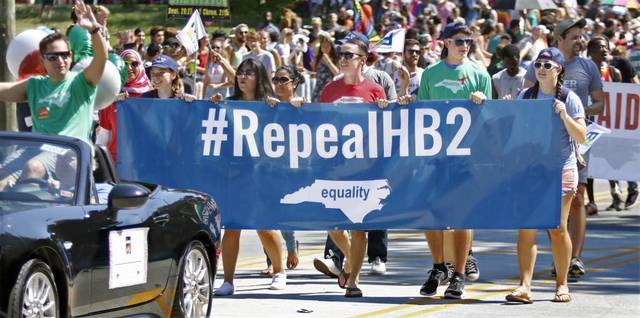
North Carolina General Assembly repeals controversial HB2
HB2 was repealed by the General Assembly, and has been replace by House Bill 142, a less restrictive bill, which still leaves some voters unhappy.

HB2 was repealed by the General Assembly, and has been replace by House Bill 142, a less restrictive bill, which still leaves some voters unhappy.
Following the installation of Magic Johnson as general manager of the Lakers, and the removal of Jim Buss, the family now goes to court to see who should control the Lakers.
Only 2 weeks into his presidency, President Donald Trump, along with Congressional Republicans, seek to dismantle financial regulations.

A Fayetteville teacher is on paid leave and has received death threats after stomping on the American flag during a civics lesson.

With the recent discovery of a new earth-like planet, many countries are beginning serious talks about inhabiting and colonizing a planet in outer space.
With the upcoming election, issues surrounding potentially discriminatory voter ID laws will inevitably end up in front of the Supreme Court
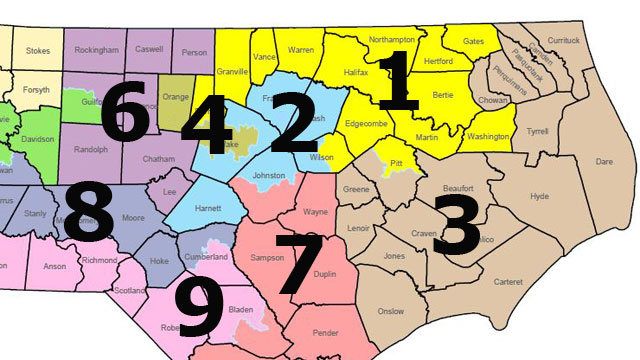
As the latest appeal to the Supreme concerning North Carolina’s redistricting plan heats up, familiar lines are drawn in the sand between Democrats and Republicans.
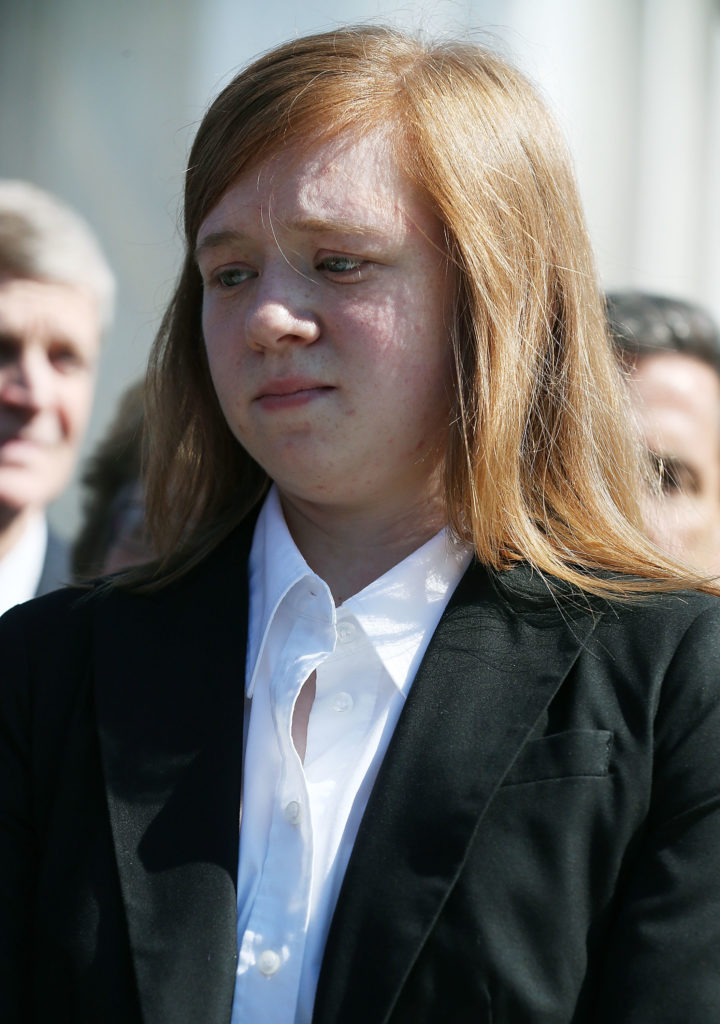
How the Supreme Court’s most recent decision concerning affirmative action in college admissions could have just re-set the clock on racial relations on college campuses across the country.
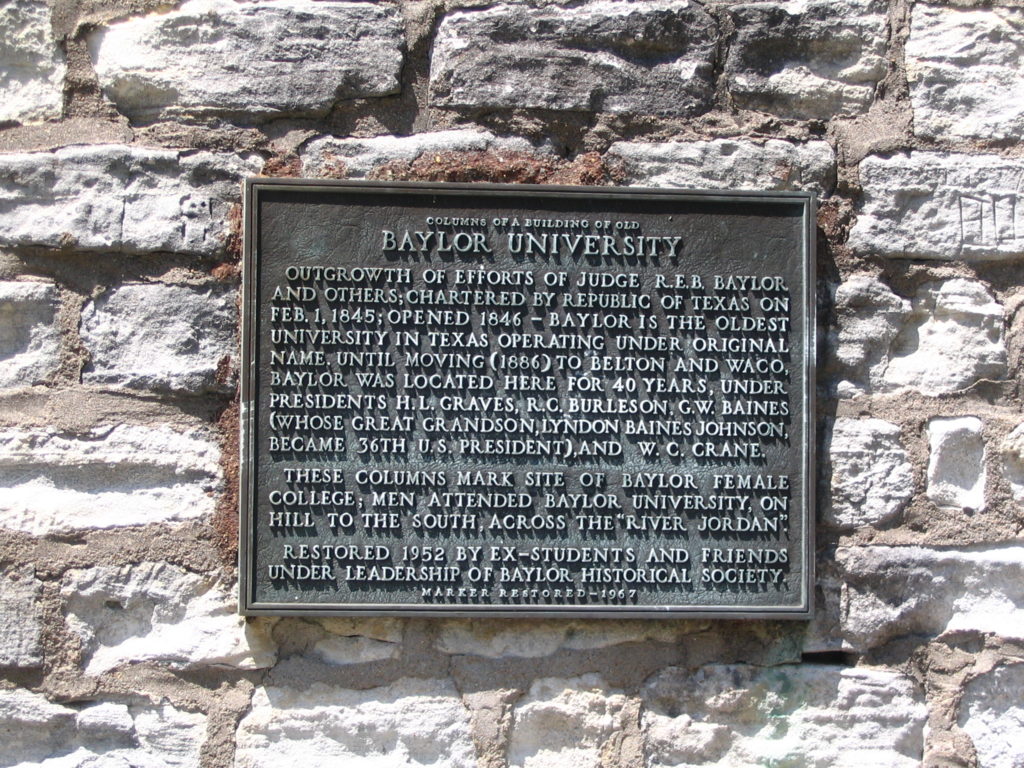
With binding terms and little room for negotiation, national letters of intent may do more harm than good for college athletes.
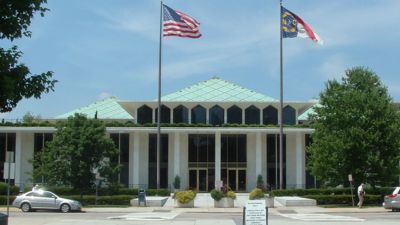
The battle over North Carolina’s controversial HB2 Bill heated up recently when Governor Pat McCroy and the Department of Justice filed almost simultaneous lawsuits against each other in United States District Court.
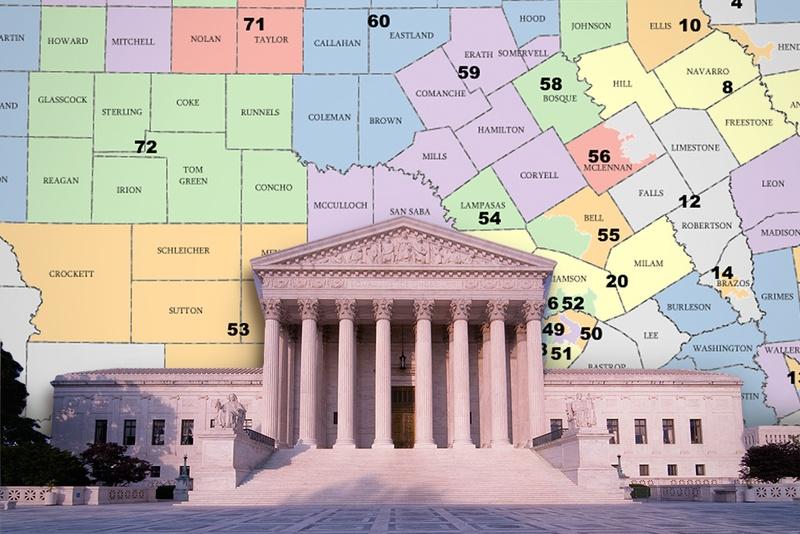
Although the Supreme Court holds that the Constitution does not require voting district apportionment be based only on voting age citizens, it does not address the issue of whether voting age based apportionment itself is even allowed under the 14th Amendment.
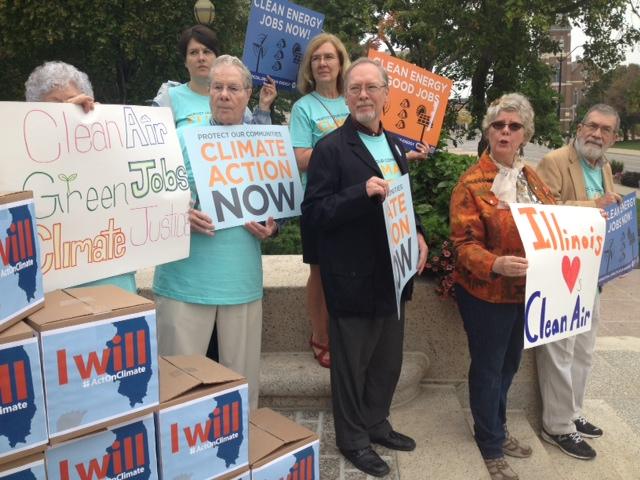
The Environmental Protection Agency (EPA) will be allowed to continue enforcing regulations limiting emissions of mercury and other airborne toxins from power plants.