

Colleges work to stop racial profiling before it starts
School administrators are considering the use of anti-bias training and body-worn cameras to prevent racial profiling by campus police officers.
The newest articles featured on our homepage.
School administrators are considering the use of anti-bias training and body-worn cameras to prevent racial profiling by campus police officers.
While sixteen states enacted additional restrictions on abortion in 2014, seventeen states increased access to contraceptives and abortion services.

Transgender inmates face discrimination and mistreatment by fellow inmates and prison officials.

With cases of the flu reaching epidemic levels this season, both public and private entities have begun to mandate flu vaccination.
College and university officials are struggling to simultaneously support protestors and law enforcement.

The law compelling doctors to describe ultrasound images to patients unconstitutionally infringed upon their free speech rights.

After a slow start, the Foreign Corrupt Practices Act has become one of the biggest sources of fines collected by the U.S. Department of Justice.
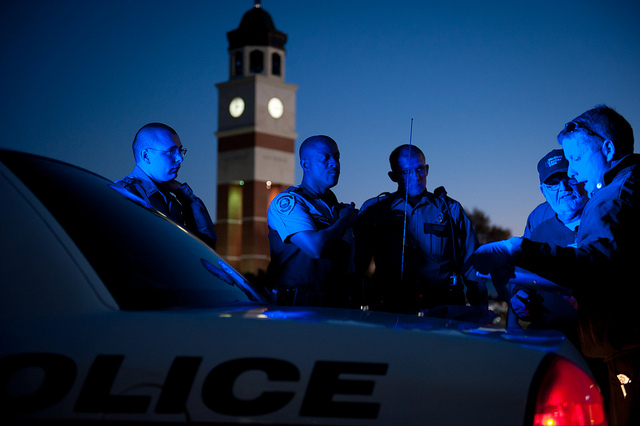
Colleges struggle to strike a balance between respecting students’ rights and helping campus police departments do their job.

Women seeking abortions will no longer be required to undergo an ultrasounds, but other restrictions will remain in place.

A Washington State University Professor is attempting to develop the marijuana equivalent of a breathalyzer which may substantially aid law enforcement in DWI stops.

Islamic banking institutions need to get creative in order to get around Sharia law’s restrictions on traditional banking.

Social media has created new opportunities for libel, harassment, and even serious crimes.

Grand jurors’ tendency to trust law enforcement officials and the ability of government attorneys to present evidence in a positive light contributes to difficulties in indicting police officers.

The Supreme Court of the United States is set to hear another case that seeks to protect mentally ill inmates from execution.

Does Teresa Giudice have anyone but herself to blame for her recent legal woes?