




-
Viral Before Verdict: The Constitutional Cost of Staged Perp Walks
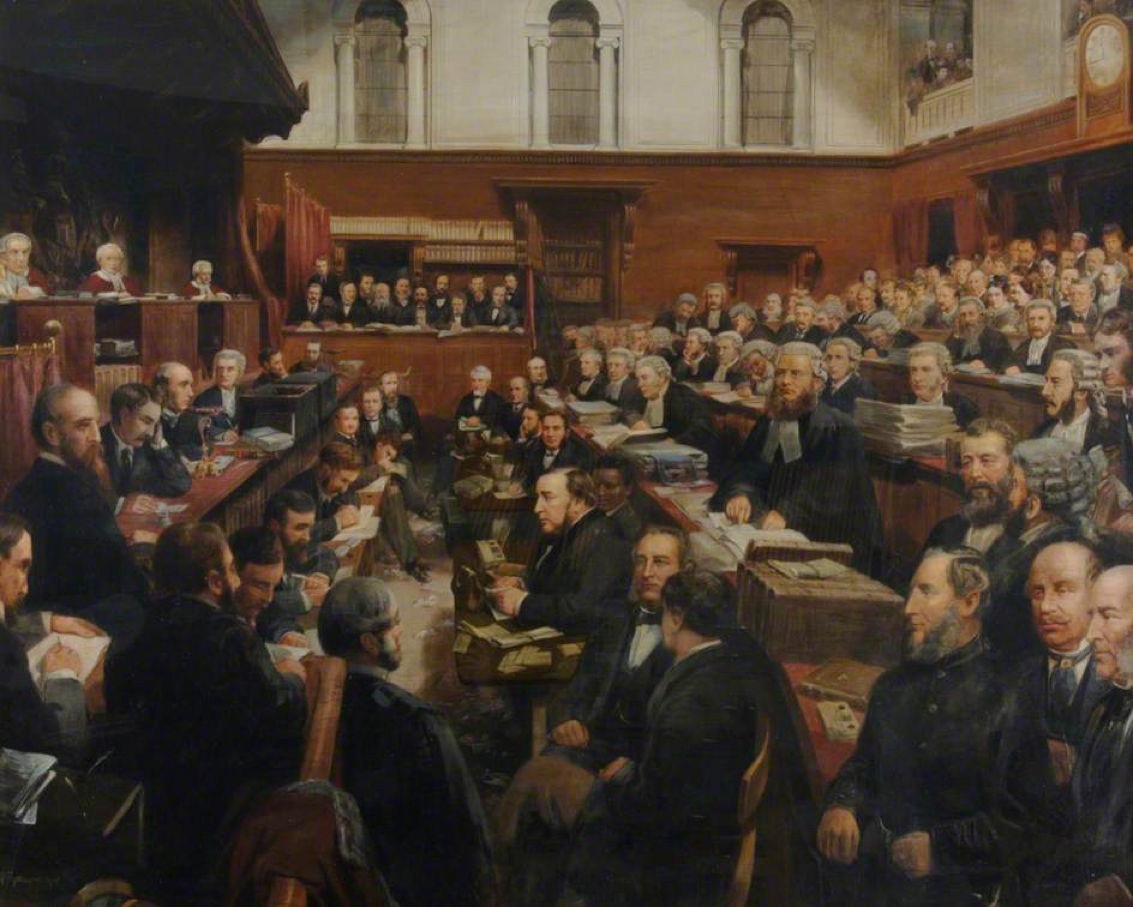
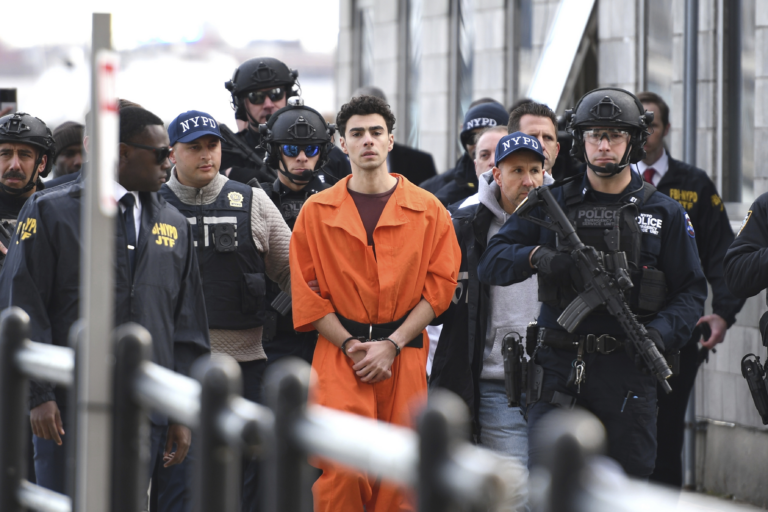
A defendant is shackled, handcuffed, and marched past cameras. Before prosecutors present any evidence, the public sees a defendant as already guilty. This practice undermines one of our legal system’s longstanding principles: the presumption of innocence and the right to a fair trial.
Latest Publications
-
Navigating the Future of Workplace Diversity: The Legal Landscape of New DEI Policies Under the Trump Administration
Throughout the legal world, understanding the complexities of DEI in employment law is more important than ever. Whether advocating for employee rights or advising corporate clients, staying informed on these issues will be essential in navigating the shifting landscape of workplace diversity under the current administration and those to come.
-
“Just ask ChatGPT…”: Weighing the Risks of Letting AI Handle your Estate
Lawyers should use GAI as another tool to advocate zealously for their clients. However, engaging with AI to assist with estate planning by lay people and legal professionals alike should be handled with judiciousness.
-
Who Controls the Curriculum: Schools or the Parents?
As schools seek to address the ongoing debate surrounding LGBTQ+ curricula, they must be careful not to fall short on the recent precedent set by the courts. Meanwhile, parents can find refuge in the right to educate their children in accordance with their religious beliefs.
-
Adversity and Aftermath: A Look into the Response to Hurricane Helene’s Devastation
In the aftermath of an event like Hurricane Helene, drawing strength from the community is an idea that not only serves as the glue in rebuilding efforts but also as an inspiration to persevere through adversity.
-
Justice for Marsha Blakely and The Ohio Four
The Ohio Four were convicted in the 1991 killing of Marsha Blakely; all four have maintained their innocence to date.
-
The Shadow of Censorship: Are courts failing to shield free speech from government influence on social media giants?
Courts must evolve standing rules and state action doctrine thresholds to preserve trust in the digital landscape. Failure to adapt risks rendering the First Amendment obsolete amid proxy controls.