
Just Because It’s Offensive Doesn’t Mean It’s Illegal
Lawsuits against those involved in writing the Pi Kappa Phi book would likely invoke First Amendment protections.
Lawsuits against those involved in writing the Pi Kappa Phi book would likely invoke First Amendment protections.

The Eight Amendment provides medical protections for transgender prisoners, but at the expense of the taxpayer’s pocket.

For-profit colleges are being scrutinized financially and legally.

The two likely paths the North Carolina Supreme Court can take in the Cape Fear case, and the environmental implications of coal ash.

A unique glimpse into the prosecution of child abuse and the experience for a child witness.
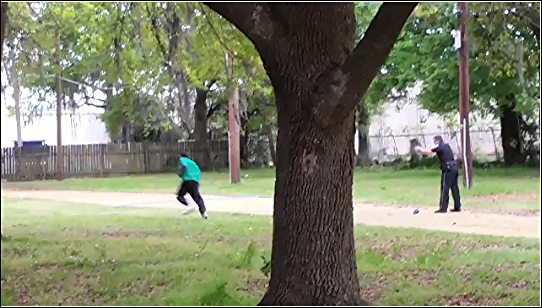
Is the right to record police interactions protected by the constitution? If so, what are the policy implications of allowing citizens to press play?

Bills introduced by both the North Carolina Senate and House of Representatives would allow hunting on Sundays, with some restrictions.

Two congressmen are proposing a bill to place limits on how education technology companies can use information about students.

Almost five years after the Dorothea Dix Hospital property was first put up for sale, a purchase agreement between the State of North Carolina and the City of Raleigh has yet to be finalized.

Confusion in case law has led the North Carolina House of Representatives to draft HB 284 and HB 79, clarifying the law pertaining to violations of civil no-contact orders.

Despite strides to provide mental health coverage under the Affordable Care Act, there is still much to be done for the mentally ill.

Social media users may be arrested for making threatening posts.

Employees working for private companies have limited options for pursuing their employers over Facebook-related firings.

The U.S. Supreme Court issued its ruling in Young v. UPS on March 25, 2015.

Two employees who were fired by the City of Charlotte for Facebook posts may have First Amendment claims.