

New technology, new concerns: fingerprints, privacy, and the iPhone
In September 2013, Apple, Inc., introduced the next iteration of its popular iPhone line: the iPhone 5S. Apple’s new flagship […]
In September 2013, Apple, Inc., introduced the next iteration of its popular iPhone line: the iPhone 5S. Apple’s new flagship […]

Is Facebook giving teens a voice or using their “activism” for advertising revenue?

Despite its benefits and appeal, legal implications and privacy concerns arise from Google Glass.

Google Glass is the new, sophisticated form of modern mobile communication that has major implications for the medical profession.

While Google Glass has many professed benefits, they may be outweighed when compared to the legal and social ramifications Google Glass totes along.

Hot new gadgets beg the question: is there really a reasonable expectation of privacy in today’s society?

On September 21, 2009, eighteen-year-old Kyle Best was texting (pdf) when he crossed the double yellow lines of a New Jersey roadway

A consumer advocacy group asks the FTC to investigate Fisher-Price’s marketing of apps as a way to teach babies as young as six months old.

“The Matrix is a system, Neo.” –Morpheus

A federal judge ruled that Apple was the ringleader of a conspiracy to raise e-book prices, and the proposed remedies will affect Apple’s iBookstore and other facets of its business.

A Texas teenager faces possible jail time for a threatening Facebook post while a British man is going to jail for two years for his own Facebook threats.
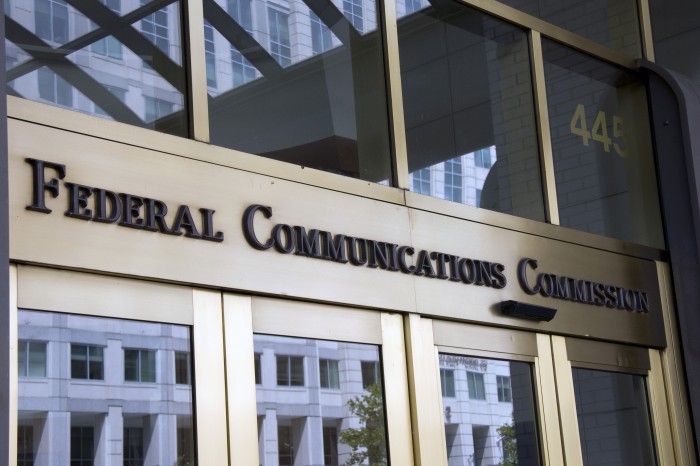
The Federal Communications Commission announced its plans to loosen restrictions on cursing and nudity on network television, and viewers responded with thousands of public comments.

While several states have enacted legislation authorizing the use of autonomous vehicles, legal scholars suggest that new laws might not be necessary and the federal government warns that such laws might be rushed.

The increased use of mobile banking may make it easier for law enforcement agencies to gather information that most would prefer to keep private.
Updated January 14, 2014: Today the U.S. Court of Appeals for the D.C. Circuit issued its opinion (pdf), striking down key