

When does online speech lead to real-life criminal prosecution?
A case pending before the United States Supreme Court might finally answer the question of when a threatening online message becomes a prosecutable offense.
A case pending before the United States Supreme Court might finally answer the question of when a threatening online message becomes a prosecutable offense.

FCC Commissioner Tom Wheeler has proposed a new set of rules to protect the free and open internet.
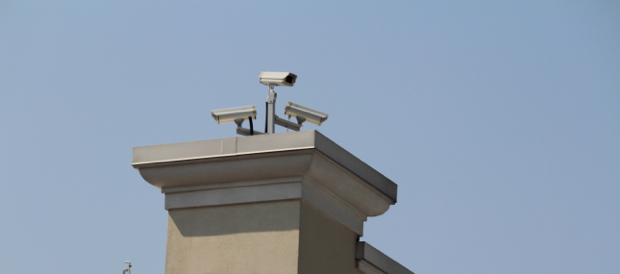
Senator Rand Paul’s suit against the NSA likely faces difficult constitutional and procedural hurdles.

Retailers have begun using signals from cell phones to track individuals’ movements within their stores.

Depending on the jurisdiction, bloggers may fall short of the First Amendment’s protection of “freedom of the press,” putting them at greater risk for defamation lawsuits.

The scanner-patent troll MPHJ Technologies takes its claims to court and seeks sanctions against the government.
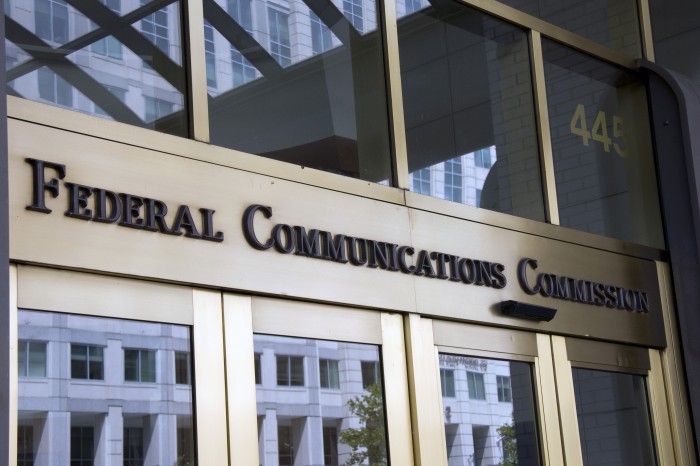
Updated February 20, 2014: FCC Chairman Tom Wheeler announced yesterday that he does not plan to seek further judicial review of the

The Campbell Law Observer twice has discussed drones in the past, identifying the privacy concerns of unmanned aircraft and detailing the states’ reactions to drone
Editor’s Note: The Campbell Law Observer has partnered with Judge Paul C. Ridgeway, Resident Superior Court Judge of the 10th Judicial District, to provide

The Innovation Act introduces a number of measures that level the playing field between patent trolls and defendants.

The recent Target data breach has left consumers concerned about protecting their privacy at Target retailers and other companies nationwide.

As two cases make their way to the Supreme Court of the United States, attorneys, officers, and defendants await a final answer regarding the constitutionality of warrantless cellphone searches.

Legislators aiming to control the use of 3D printers to make guns may have overshot the mark.

The U.S. Court of Appeals for the Third Circuit recently decided United States v. Katzin, a case that now expands the holding of United States v. Jones and requires law enforcement to obtain an authorized warrant before attaching a GPS tracking device to a vehicle.

California’s new anti-harassment law has good intentions in penalizing those who harass celebrities’ children, but may potentially target the wrong people.