

Settling the denominator debate: SCOTUS creates objective test for regulatory takings
In its recent ruling in Murr v. Wisconsin, the Supreme Court created an objective factor-based test to determine the proper structure for takings claims analyses.
The newest articles featured on our homepage.
In its recent ruling in Murr v. Wisconsin, the Supreme Court created an objective factor-based test to determine the proper structure for takings claims analyses.

The Supreme Court of the United States recently ruled unconstitutional an NC law that made it a felony for registered sex offenders to access social networks websites.

After passing the well-known “Brunch Bill” into law, North Carolinians now have another reason to rise early on Sundays beyond the call to worship or worshipping football.

A flurry of legislation has been proposed across the country over the last few months in an attempt to regulate the growing number of public protests.

After wealthy Fayetteville businessman Mike Lallier was charged with criminal sexual misconduct with a minor, a judge’s decision to issue a gag order about the matter provoked serious debate.

Despite the high price many inmates pay for a simple phone call, the U.S. Court of Appeals for the D.C. Circuit recently found the FCC’s attempts to regulate phone call prices exceeded its authority.
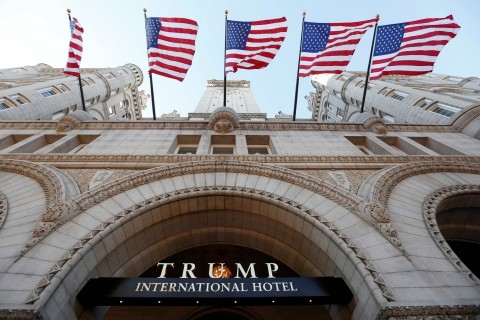
Associate Editor Blake Drewry provides an in-depth look at the lawsuit filed against President Trump alleging his business profits violate the Emoluments Clause of the U.S. Constitution.

While President Trump previously issued an executive order holding members of the Trump administration to high ethical standards, numerous waivers of the order have raised ethical concerns of their own.

The Supreme Court of the United States issued a unanimous decision on May 17, 2017, in Esquivel-Quintana v. Sessions, in favor of a lawful Mexican immigrant on the premise that federal law was inappropriately applied in attempts to justify deportation.

After a 23-month old child died after being found unresponsive in a pond by his house, the NC legislature proposed a bill to improve DSS observations and hopefully save lives.

After relentlessly calling people on the “Do Not Call List,” Dish Network is being forced to pay $280 million to the U.S. Government and several states, including North Carolina, for its telemarketing tactics.

The “warrant rule” of the Federal Rules of Criminal Procedure was recently changed to make it easier to investigate online criminal activity, but some believe the change comes at the price of constitutional rights.

With the Supreme Court denying to review the decision that found the North Carolina legislature had discriminatory intent in passing its election law, what does this mean for the future of North Carolina’s elections?
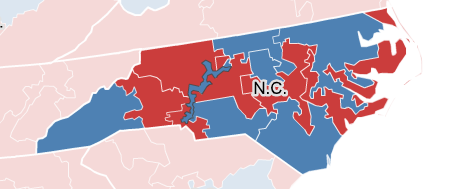
Racially-motivated redistricting in North Carolina ruled unconstitutional by the Supreme Court of the United States.

Retired Army lieutenant general and former national security advisor for the Trump Administration Michael Flynn invokes the 5th Amendment in a Senate hearing concerning Russia’s involvement in the 2016 presidential election.