
A Recent Case of AI Psychosis
Examining the Tragic Case of Jonathan Gavalas and the Growing Legal Debate Over AI Psychosis and Product Liability.
The newest articles featured on our homepage.
Examining the Tragic Case of Jonathan Gavalas and the Growing Legal Debate Over AI Psychosis and Product Liability.
The Supreme Court’s ruling in Chatrie v. United States marks a decisive shift in the law governing modern digital surveillance, holding that government acquisition of stored location history constitutes a Fourth Amendment search and rejecting the argument that users surrender their privacy rights simply by enabling routine device features.

While national media highlights the allegations against Cornell’s Chi Phi fraternity, local reporting demonstrates how sustained journalism can uncover legal gaps and prompt legislative reform.
Aaron M. Spitler, a researcher in technology and society, discusses the emerging phenomenon of AI griefbots and how policymakers should respond.

Dean J. Rich Leonard discusses his initiative in creating the Joseph E. Zaytoun International Judicial Clerkship, a program that sends American law students to serve in African appellate courts.
Judicial infrastructure is not equipped to manage an AI generated caseload. And Judges should not bear the burden of sifting legitimate, well-contemplated complaints from those generated on a whim. Protections against AI complaint generation and filing must be erected, for the good of the legal system and beyond.

Early this year, Alabama joined a growing number of states that have authorized the death penalty for certain sex crimes against children. Florida, Tennessee, Idaho, Oklahoma, and Arkansas have enacted similar legislation, signaling a broader movement to expand capital punishment beyond homicide.

The legal issues raised in Trump v. Slaughter will have major implications for executive power and the separation of powers doctrine. Slaughter could be another landmark case that overturns a longstanding precedent. It also raises the question of what role independent agencies should play in our government and how much power they should exercise.
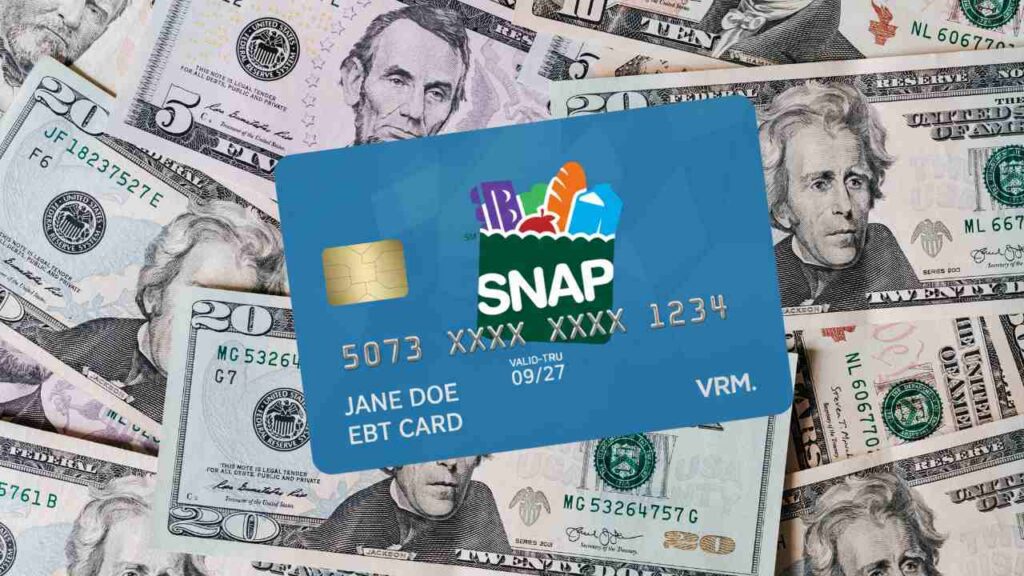
Future courts are left to decide whether SNAP benefits should be a due-process right and whether the current system adequately protects those rights. Individuals can still sue the federal and their state government for changes to SNAP benefits.

President Trump’s executive order challenging birthright citizenship is teed up for consideration by the U.S. Supreme Court, where the justices will likely determine whether it aligns with or contradicts the longstanding interpretation of the Fourteenth Amendment.
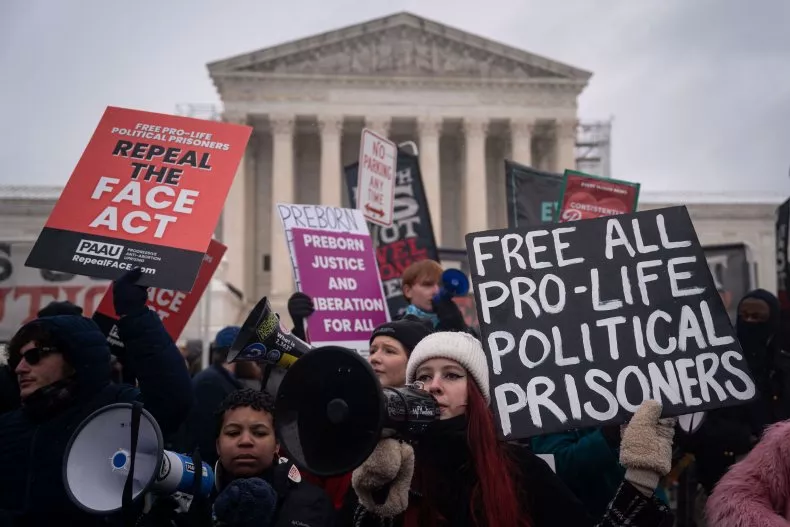
Since Dobbs, the number of pro-life activists being prosecuted for violations of the 18 U.S.C. § 248 Freedom of Access to Clinic Entrances (FACE) Act saw a marked uptick under the Biden Administration. After a wave of pardons by President Trump, important legal questions remain unanswered as Congress seeks to overturn the FACE Act.

Stopping a vehicle for speeding, writing a ticket, and sending that person on their way is on the “simple” side of the spectrum. Complexity arises with continued questioning, K’9’s, or asking drivers to step out of their vehicles. These additional factors suddenly create a growing issue: how long is too long for a traffic stop?

Justice is supposed to be blind – administered to everyone equally without regard to race or ethnicity. Yet, justice often turns a blind eye to the racial disparities within the courtroom and prisons nationwide.

Watching reality TV has low stakes, but making it on a reality TV show is a competitive process. However, in the slim chance someone does make it on a show, the participant will be asked to sign a legally binding contract.

Access to a legal database is essential to a lawyer, as lawyers must consult case law, statutes, and secondary sources to represent a client efficiently. Read for a comparison of the top two competing databases.