

Supreme Court cans presidential recess appointments to NLRB
The Court’s unanimous decision in the June 2014 Noel Canning case found President Obama’s January 2012 recess appointments unconstitutional.
The Court’s unanimous decision in the June 2014 Noel Canning case found President Obama’s January 2012 recess appointments unconstitutional.
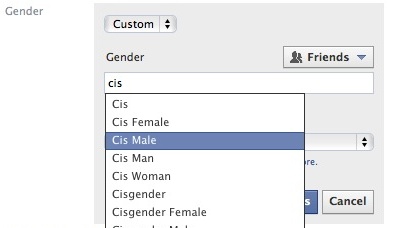
Women’s colleges face tough choices about whether to accept and retain transgendered students.

Government incentives to private citizens have contributed to the rise of False Claims Act lawsuits against pharmaceutical companies and health care entities.

In Harris v. Quinn the Supreme Court of the United States found that in-home caregivers cannot be required to join a union or pay its dues.
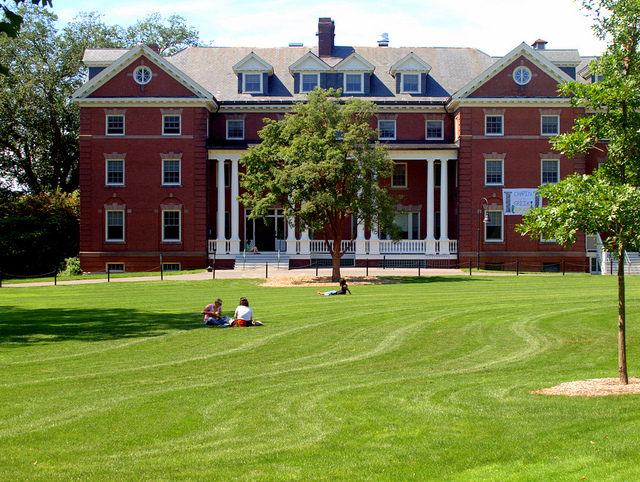
Now that more than fifty percent of undergraduate students are women, what is the purpose of female-only higher education?

Though the federal False Claims Act was enacted in 1863, lawsuits brought under the Act have recently increased dramatically.

On June 12, 2014, the Supreme Court of North Carolina struck down the state’s first local ordinance banning the use of cellphones while driving.

Those who are concerned with the possible negative environmental effects of the fracking process staunchly oppose the passage of the Energy Modernization Act, yet many laud the bill as a way to provide energy and jobs for North Carolinians.

The federal government’s current data mining policies might violate our Fourth Amendment right to be free from unreasonable searches and seizures. They might also be saving us.

In the context of sexual assault, meaningful change requires a shift in the way society views its victims.

Attorney General Roy Cooper must defend North Carolina’s Amendment One from attack, in spite of the fact that he personally opposes the same-sex marriage ban.

American soldiers swear to defend the Constitution, but does the Constitution defend them?

Legislative prayer is both coercive and divisive. This is why the Supreme Court got it all wrong.

Title IX and the Clery Act give rise to a federal investigation into colleges’ policies and procedures for handling complaints of sexual violence.

The Complaint filed by the UCC against North Carolina’s same-sex marriage ban highlights the ongoing litigation and changing viewpoints that seem to be increasing since “Amendment One” was passed two years ago.