

Opinion | When Local Journalism Changes the Law
While national media highlights the allegations against Cornell’s Chi Phi fraternity, local reporting demonstrates how sustained journalism can uncover legal gaps and prompt legislative reform.
While national media highlights the allegations against Cornell’s Chi Phi fraternity, local reporting demonstrates how sustained journalism can uncover legal gaps and prompt legislative reform.

Aaron M. Spitler, a researcher in technology and society, discusses the emerging phenomenon of AI griefbots and how policymakers should respond.
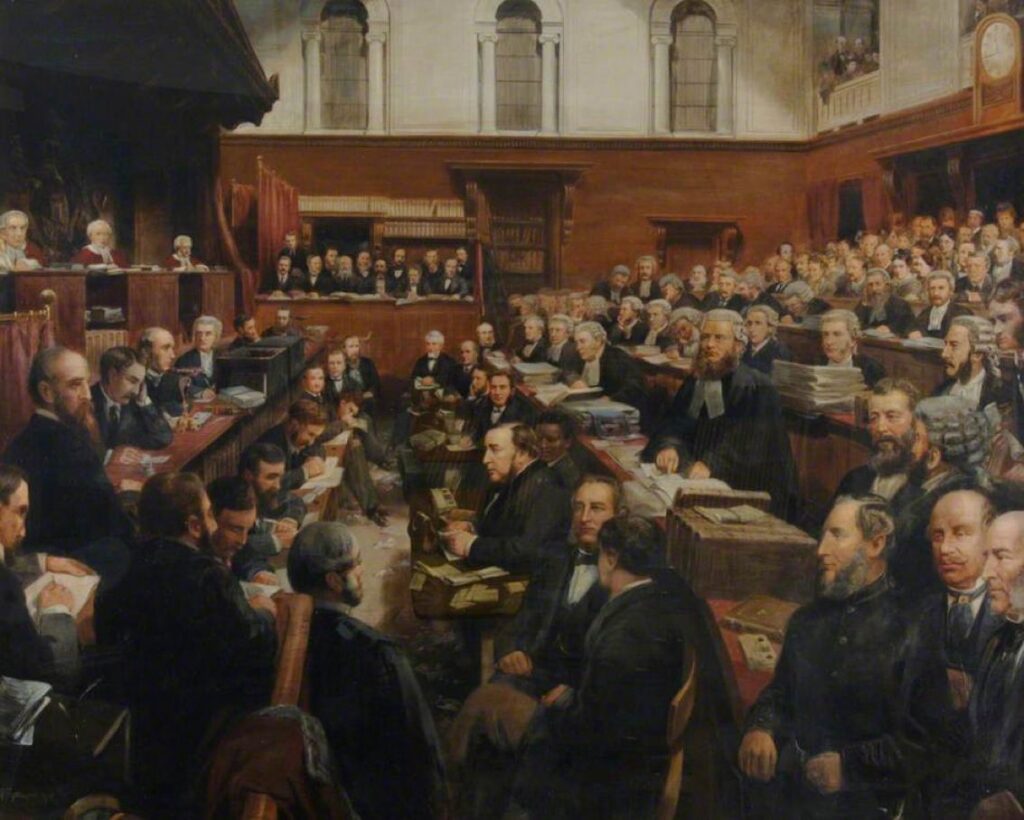
Judicial infrastructure is not equipped to manage an AI generated caseload. And Judges should not bear the burden of sifting legitimate, well-contemplated complaints from those generated on a whim. Protections against AI complaint generation and filing must be erected, for the good of the legal system and beyond.
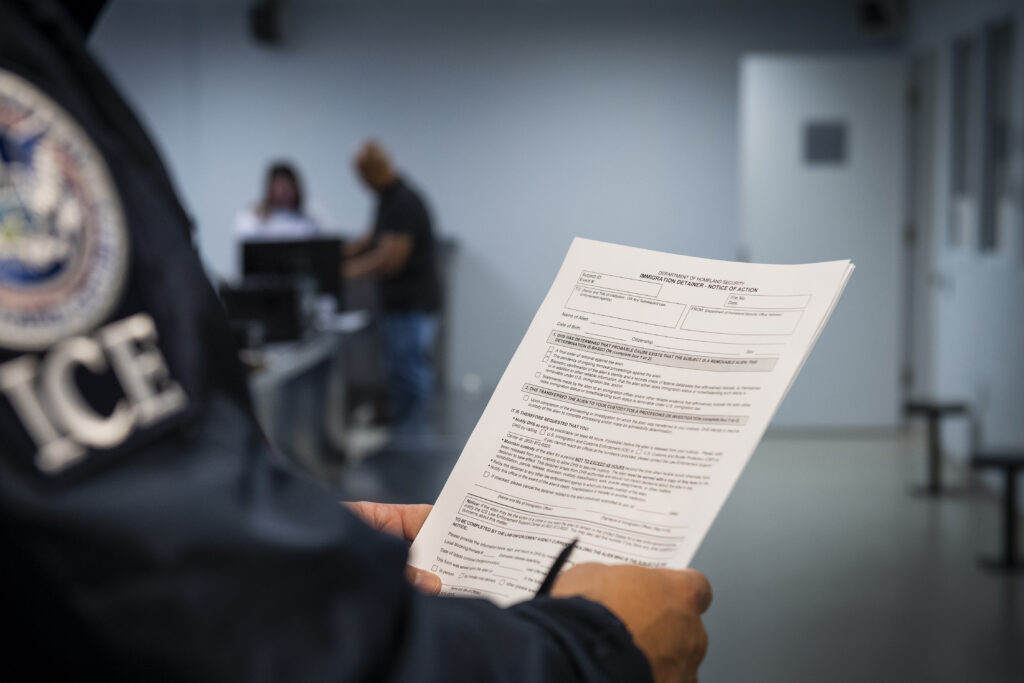
In recent months, armed and masked federal agents have roamed the streets of Charlotte, Durham and Raleigh, conducting what many describe as a “dragnet” of our communities. From smashing car windows to dragging workers out of their places of employment, the Department of Homeland Security’s (DHS) “Operation Charlotte’s Web” has left a trail of trauma across North Carolina.

Dissents now cut like the thrust of a bayonet rather than a surgeon’s scalpel. Below are just a few examples of how bombastic and inappropriate rhetoric has eroded the perception of legitimacy of the courts. Ultimately, it is crucial that future judges and law clerks, simply, do not write like a Dick*.