
Is a copyright violation “game over” for PewDiePie?
After a popular YouTube user posted a videogame live stream containing profane, racist language, game developer Campo Santo filed a takedown notice under the Digital Millennium Copyright Act.
Copyright law grants creators of original words exclusive rights in their expression from the moment their work is fixed in a tangible medium. It protects the expression of ideas (not the underlying ideas, facts, systems, or methods) by allowing copyright owners to control core exploitations like reproduction, distribution, public performance, public display, and derivative works, subject to statutory limitations and defenses (such as fair use, first sale/exhaustion, and compulsory licenses). Copyright is primarily governed in the US by the Copyright Act of 1976 (Title 17) and aims to incentivize creation while balancing public access and free expression.
After a popular YouTube user posted a videogame live stream containing profane, racist language, game developer Campo Santo filed a takedown notice under the Digital Millennium Copyright Act.
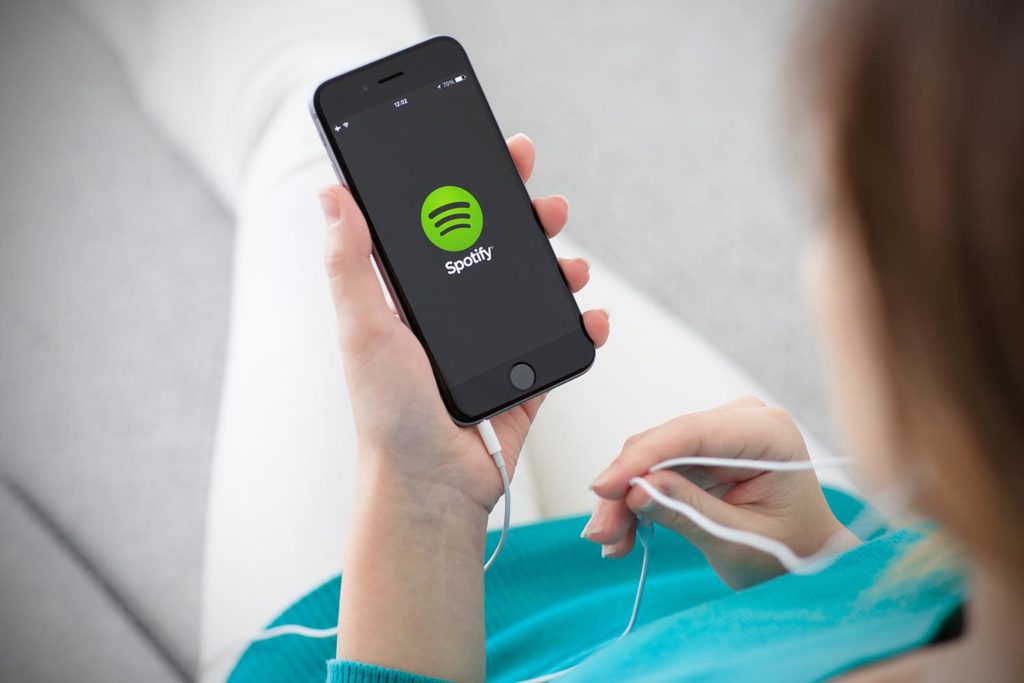
Music streaming service Spotify is back in the spotlight after more allegations of copyright infringement regarding the illegal use of thousands of unlicensed musical compositions.

As the number of patent suits increases, SCOTUS is now questioning whether there is an actual statute of limitations on this concept.

Where is the line between inspiration and infringement, and how easy is it to cross that line? The recent lawsuit against Robin Thicke and Pharrell Williams provides some clues.

Sometimes imitation is no longer a form of flattery.

The daughter of Raging Bull screenwriter emerges victorious against MGM despite waiting eighteen years to file a copyright suit.

Each time Sir Arthur Conan Doyle’s fictional detective Sherlock Holmes faced an especially challenging problem, he called it “a five

BY: KRISTOPHER HAWKINS, Guest Contributor Editor’s Note: The Campbell Law Observer has partnered with Judge Paul C. Ridgeway, Resident Superior Court Judge of