

Vote Early, Vote Often
North Carolina’s New Early voting restriction is under scrutiny in District Court, but the Justice Department may not present evidence sufficient to invalidate the law.
Articles discussing lawsuits filed across the country under a variety of circumstances.
North Carolina’s New Early voting restriction is under scrutiny in District Court, but the Justice Department may not present evidence sufficient to invalidate the law.

The controversial Supreme Court decision turns on a hotly debated question: who is a “person” under the Religious Freedom Restoration Act of 1993?
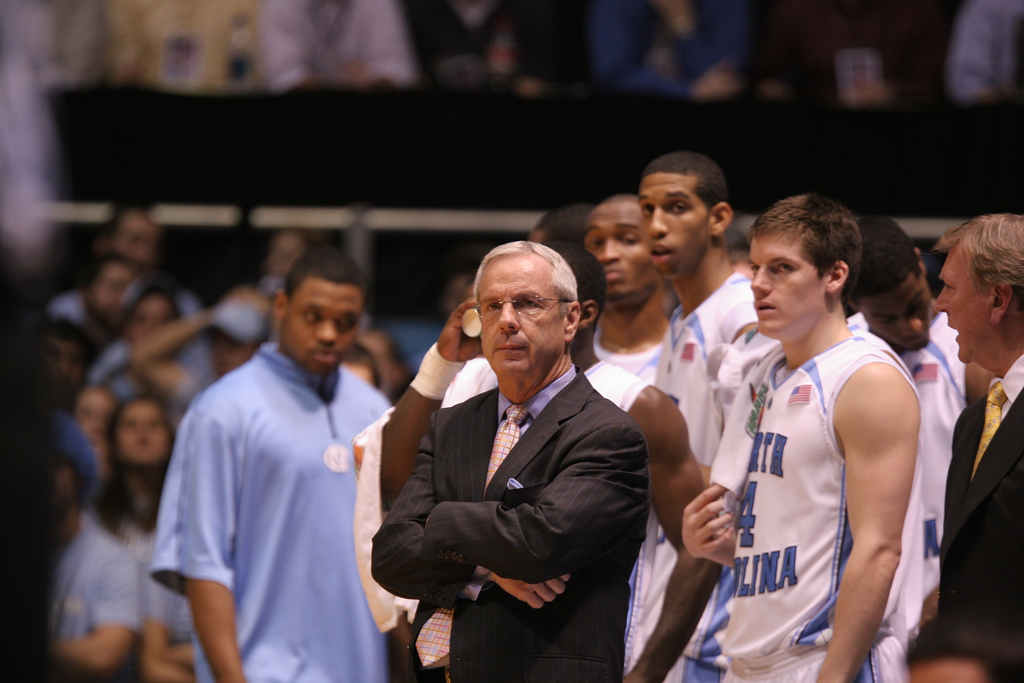
Mary Willingham’s research showing serious academic deficiencies among the university’s student-athletes has resulted in a bitter fallout between herself and her former employer.

In Harris v. Quinn the Supreme Court of the United States found that in-home caregivers cannot be required to join a union or pay its dues.

Washington, D.C.’s football team has cancelled its trademarks after the team’s name and logo were found to be disparaging to Native Americans.

The production of a popular condiment has some Irwindale, California residents holding their noses.

Aereo used cloud computing to change the way we watch TV, but the Supreme Court has held that its transmissions violated copyright law.

On June 12, 2014, the Supreme Court of North Carolina struck down the state’s first local ordinance banning the use of cellphones while driving.

The daughter of Raging Bull screenwriter emerges victorious against MGM despite waiting eighteen years to file a copyright suit.

American soldiers swear to defend the Constitution, but does the Constitution defend them?

To reduce the number of “backing up” accidents, the National Highway Transportation Safety Administration will require all cars to be equipped with backup cameras by 2018.

A case pending before the United States Supreme Court might finally answer the question of when a threatening online message becomes a prosecutable offense.

An in-depth analysis of how the Health Care Transparency law upset the balance of power within the state and created problems regarding who represents North Carolina.

After experiencing consequences of the school-to-prison pipeline in the Wake County Public School System, students have decided to fight back.

After Attorney General Eric Holder levied the Department of Justice’s highest fine ever on an automobile company, many are asking whether the fine sets a precedent for similar situations involving consumer safety misinformation.